• Link to Facebook
  • Link to Instagram
  • Donate
  • Member Login
  • Become A Member
  • Shopping Cart Shopping Cart
    0Shopping Cart
Biodynamics New Zealand
  • Home
  • About
    • What is Biodynamics?
    • Influential Figures
    • FAQ
    • The Biodynamic Association
    • Our Council and Operations Team
    • Support NZ Biodynamic Business
    • Become a Member
    • Biodynamics for Vineyards
  • Conference 2026 – New Seeds
  • News & Events
    • Upcoming Events
    • Latest News
  • Education
    • Getting Started With Biodynamics
    • Harvests Magazine
    • The NZ Biodynamic Calendar
    • Resource Guides + Books
    • The Biodynamic Preparations
    • Online Biodynamic Education
    • Maintaining Animal Health
    • GE
  • Demeter
    • Applying for Demeter Certification
    • Buying Demeter Food
    • Demeter Certified Biodynamic Producers
  • Shop
    • Biodynamic Calendar
    • Biodynamic Preparations
    • Books and Education
    • Online Education
    • Become a Member
    • Annual Membership
    • Cart
  • Contact
  • Click to open the search input field Click to open the search input field Search
  • Menu Menu

Biodynamic gardening activities for children

11 July 2025/in Biodynamics for children, Latest News

The garden is the perfect playground for children. It provides a space that can help develop both fine and gross motor skills, whilst playing in the soil and observing plants and insects can help introduce elements of biology, maths in a way thats fun and simple. At the same time, the garden provides a space that cultivates a sense of wonder and imagination. In addition to this, the beauty of a biodynamic garden, is that children can explore nature in its natural, organic state, while you can rest assured that you are not exposing your child/ren to any toxic sprays.

So, if you are passionate about biodynamics and are looking to entertain your children, here are 10 activities that are fun, hands-on and encourage kids get outside and connect with nature (while gently introducing the core principles of biodynamics):

1. Moon Phase Planting Calendar Craft:

  • Activity: Create a simple moon phase chart and use it to decide when to plant seeds or carry out simple garden tasks.
    For example: NEW MOON, All of the plants life force is focused down into the root system, making it a great time to prune your plants.
    FULL MOON: Sowing seeds just before the full moon tends to result in good germination.
    This is the perfect craft activity to do on a rug or table outside, or if it’s cold and raining, it can be done inside. All you will need is some markers, paper and perhaps some images of the moon.
  • Teaches: The biodynamic principle of planting in tune with lunar rhythms, whilst also developing fine motor skills.


2. Compost Exploration Station:

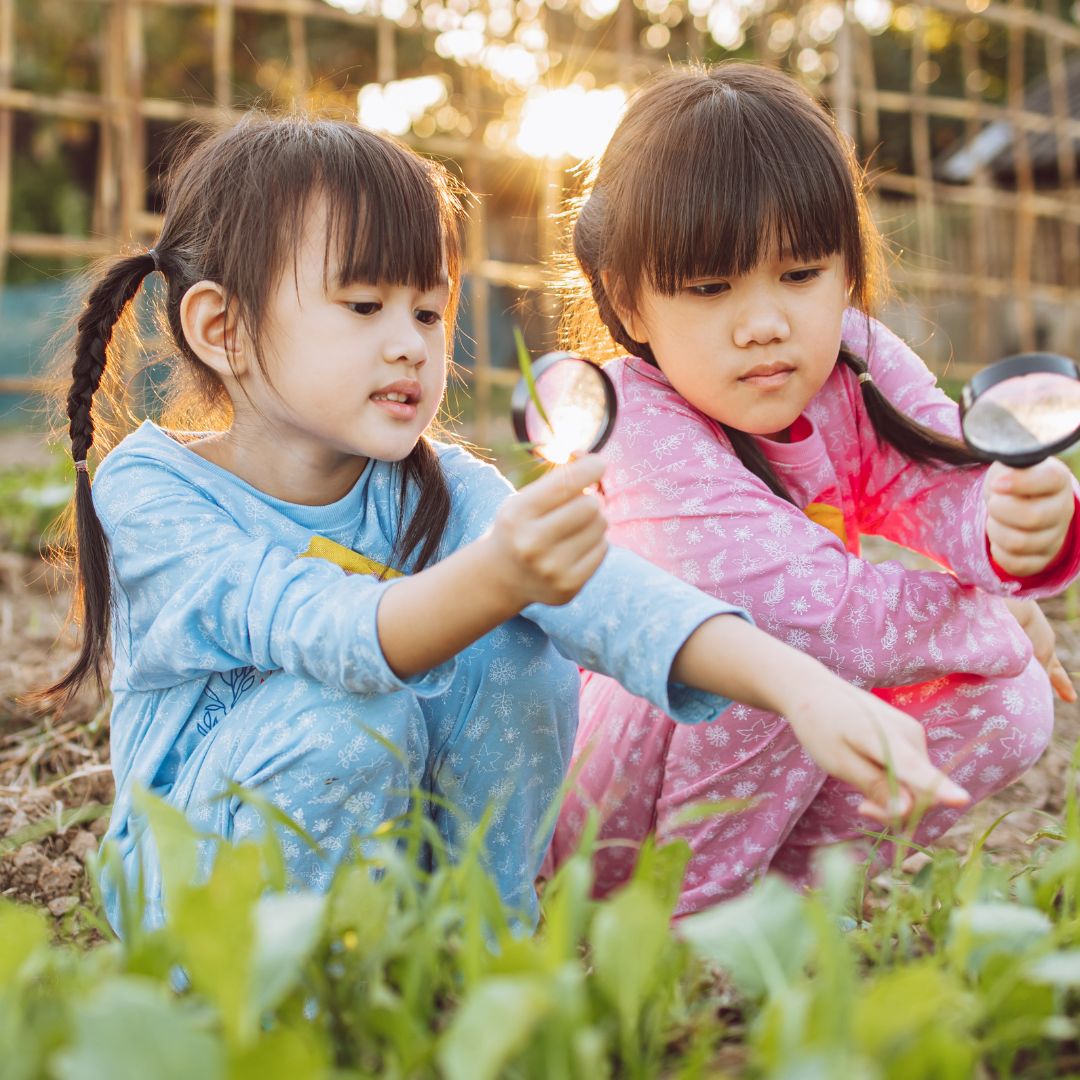
  • Activity: Build a child-friendly compost pile. After a few days, let kids explore with magnifying glasses to find worms and decomposers. They could make a list of all the different insects found in the compost heap and later on look them up in books or online to learn more about each creatures diet and lifecycle.
    You can use leaves, cardboard, green waste from the garden, food scraps etc to get your compost heap started.
  • Teaches: Soil health and natural recycling, a key part of biodynamic cycles. This activity also helps foster children’s interest and curiosity in insects and the creatures living around them, whilst developing gross motor skills.


3. Experiment with optimal and non optimal planting days
:

  • Activity: Use the Biodynamic Farming and Gardening calendar to identify days that are optimal for planting root crops (e.g. carrots), leaf crops (e.g. lettuce) or days that are best for flowers and plant out the appropriate seeds out accordingly and record how well the seeds germinate, the seedlings health etc. Then you can widen the experiment by planting the same seeds on days that are not optimal (eg: planting carrot seeds on a flower day) and record how this affects the plants health and growth. You may find for example, that the carrot seed planted on a root day develops a big juicy carrot, but the carrot seed planted on the flower day, puts all its energy not into developing a root, but, instead shoots up develop its flower and set seed.
  • Teaches: The influence of cosmic rhythms on different plant parts.


4. Water vortex:

  • Activity: Fill up a big bucket of water and have the children practice stirring the water to create a whirlpool or vortex. Practice breaking the vortex and spinning the water the other way. As your children play with the water you talk to them about adding in biodynamic preparations and how these preparations help plants to grow and thrive.
  • Teaches: Imaginative understanding of biodynamic preparations and gross motor skills.


5. Herbal Tea for the Garden
:

  • Activity: Brew a chamomile or nettle “tea” for plants. Let kids help prepare it (please be sure to supervise children around hot water to ensure safety) and once cooled, spray it gently on the garden. In addition, Chamomile can also make a gentle, calming, mild tasting tea for children to enjoy too, just ensure that no child has any known allergies to the asteraceae family. A discussion can be had about the ways plants can give nutrition and healing properties to both humans and other plant life.
  • Teaches: Biodynamic herbal preparations and care for plant vitality.


6. Insect Friends Scavenger Hunt:

  • Activity: Go on a bug hunt to find pollinators and beneficial insects. Create an “insect hotel” for them. Insect hotels can be easily created by using materials such as rocks, wood, twigs, pinecones, bricks etc and stacking them up agains a wall. An alternative or bonus activity could be to research what types of flowers and herbs are the most attractive to our pollinator friends and plant them out in the garden or in pots to attract these insects in.
  • Teaches: Fosters an interest in Biodiversity and ecosystem balance.


7. Harvest & Seasonal Feast:

  • Activity: Harvest vegetables and herbs, then make a seasonal salad or soup together. This activity is very helpful in getting fussy eaters to try new vegetables, by involving them in the act of harvesting and preparing food.


Teaches: Seasonal awareness and farm-to-table mindfulness.

8. Nature Mandalas with Garden Finds
:

  • Activity: Gather leaves, petals, pinecones, seeds, etc and arrange them in circular mandalas. If you are near a beach, you may wish to include items like shells, seaweed, drift wood and feathers.
  • Teaches: Patterns in nature and holistic design (connected to biodynamic harmony).️

9. Blessing the Garden Ritual:

  • Activity: Let children help create a simple ritual or song to “bless” the garden before planting or harvesting.
  • Teaches: Connection, intention, and reverence for life- all of which are core to biodynamic philosophy.


10. Garden Journal with Moon & Weather Tracking
:

  • Activity: Keep a fun illustrated journal to track things like: moon phases, weather, plant growth, or insects, birds and animals spotted in the garden. Children can get really creative here and use paints, markers, pencils, magazine cut outs, stickers, washi tape etc.
  • Teaches: Observation, rhythm, and recording natural patterns, helps develop fine motor skills.

We hope you enjoy these activities and use them as a spring board to spark your child’s imagination and interest, have fun out there in the garden with your kids!

https://biodynamic.org.nz/wp-content/uploads/2025/07/logo-1.jpg 1080 1080 Biodynamic https://biodynamic.org.nz/wp-content/uploads/2022/02/logo-for-web2022-colour2.png Biodynamic2025-07-11 12:52:572025-07-11 13:08:50Biodynamic gardening activities for children

Article Categories

  • Animals
  • Bees
  • Beginning Biodynamics
  • Biodynamic Case Studies
  • Biodynamic Preparations
  • Biodynamics for children
  • Biodynamics in Schools
  • Compost
  • Cosmic Influences
  • Cows + Ethical Calf Raising
  • CPP
  • Events
  • Farm as an Organism
  • Featured
  • Growing Food
  • Harvest Magazine Article
  • Hua Parakore
  • Latest News
  • Nutrition + Food
  • Past Events
  • Pest Management
  • Prep500
  • Seasons
  • Steiner School
  • Stirring + Water + Flowform
  • Sustainability + Climate
  • Wine

Recent Articles

  • Nitrate Loading of Canterbury Aquifers – is there a biodynamic solution?20 August 2026 - 4:23 pm
  • Biodynamics New Zealand Media Release27 May 2026 - 2:37 pm
  • Praise for Equisetum (Preparation 508)11 May 2026 - 12:20 pm
  • New Seeds: Growing the Future of Biodynamics5 February 2026 - 10:56 am
  • Caring for the Land, Together – A Gentle Overview of Sustainable and Regenerative Farming Approaches in Aotearoa New Zealand 20 January 2026 - 10:30 am

Join our newsletter!

Post Categories

  • Animals
  • Bees
  • Beginning Biodynamics
  • Biodynamic Case Studies
  • Biodynamic Preparations
  • Biodynamics for children
  • Biodynamics in Schools
  • Compost
  • Cosmic Influences
  • Cows + Ethical Calf Raising
  • CPP
  • Events
  • Farm as an Organism
  • Featured
  • Growing Food
  • Harvest Magazine Article
  • Hua Parakore
  • Latest News
  • Nutrition + Food
  • Past Events
  • Pest Management
  • Prep500
  • Seasons
  • Steiner School
  • Stirring + Water + Flowform
  • Sustainability + Climate
  • Wine

Login Status

Forgot? 

Join our newsletter!

Contact Details

Bio Dynamic Farming and Gardening Association
E-mail:

Social Media

Follow us on Instagram

Follow us on Facebook

© 2022, All Rights Reserved Biodynamic Farming and Gardening Association in NZ Inc | Website design by Saucy Hot Design
  • Link to Facebook
  • Link to Instagram
Scroll to top Scroll to top Scroll to top